
3D billboards vs traditional billboards: what actually changes for a brand
Same screen, same media budget, a different outcome. What a 3D billboard changes in attention, sharing and shelf life, and when a classic creative is still the right call.
The screen is the same
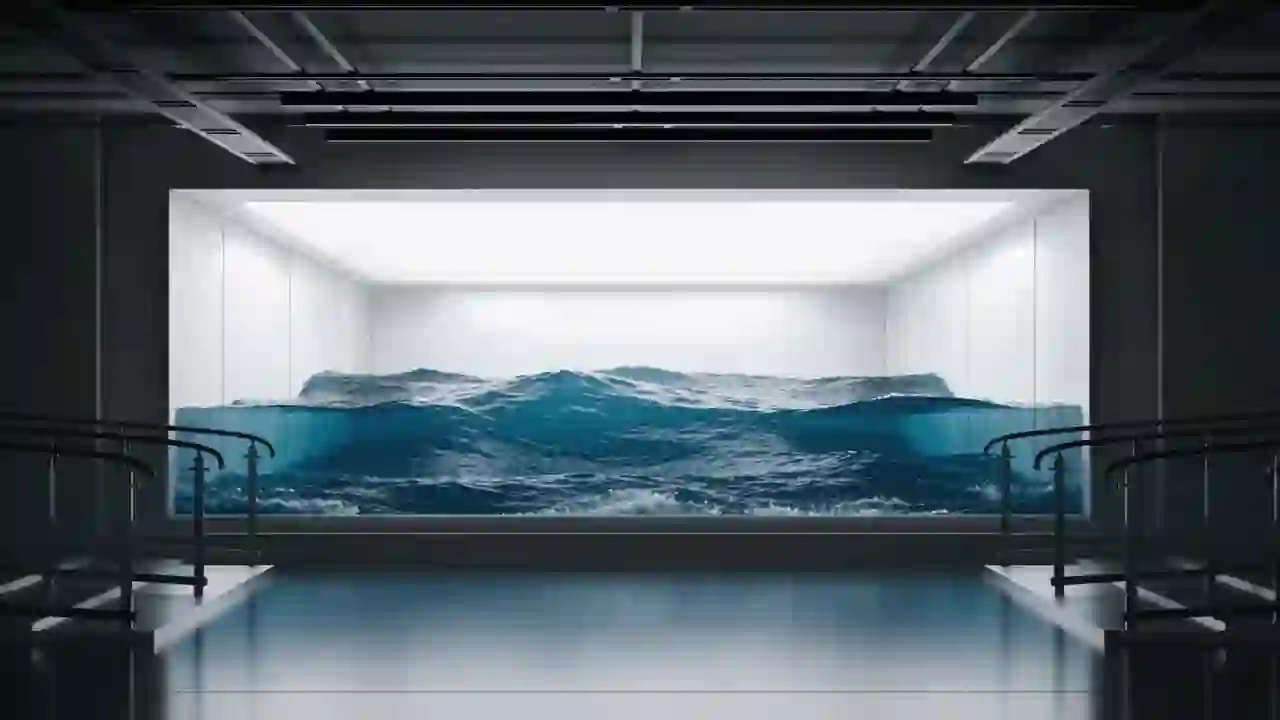
A 3D billboard does not need a new screen. It runs on the digital screens brands already book: corner screens, facades, mall atriums, station concourses. The difference is the creative. A traditional creative is a flat image or video shown on the screen. A 3D creative is built for that exact screen, so the content seems to break out of it.
Attention
A traditional billboard is seen. A 3D billboard is looked at. People stop, point, and film. That behaviour is the whole point: the screen becomes a moment rather than a message in the background of a commute.
Sharing
Nobody films a flat ad. People film a 3D moment, and they post it. This is where the two formats separate for good. A traditional campaign lives on the screen for the duration of the media buy. A 3D campaign lives on the screen, then on the phones of the people who saw it, then on the feeds of people who never walked past it. Across our campaigns this adds up to more than 3B earned and owned media views.
Shelf life
A traditional creative ends when the media buy ends. A 3D creative keeps working afterwards: the reaction videos, the brand’s own cut of the film, the FOOH version placed in a real street for social. One production, several lives.
Cost
The media is identical. The creative costs more than a flat visual, because it is a 3D film built for a specific screen. We explain the numbers in our 3D billboard price guide. The question is not whether 3D is more expensive than a flat visual. It is whether the extra sharing is worth more than the extra creative cost. For a launch or a brand moment, it usually is.
When a traditional creative is the right call
Not every message needs to break the screen. A price, an opening date, a directional message near the store: a clear flat creative does the job, and 3D would be noise. 3D works when you want people to stop and film, which means a launch, a campaign moment, a hero product or a landmark screen.
What changes in the process
A traditional creative is adapted from the key visual. A 3D creative starts from the screen: its layout, its real size, the viewpoint of the crowd and the media owner’s requirements. That is why we ask for the screen first and the idea second, and why the screen brief checklist exists.
The honest comparison
| Traditional | 3D | |
|---|---|---|
| Screen | Any | The same screens, built for one at a time |
| Attention | Seen | Looked at, filmed |
| Sharing | Rare | Built in |
| Life after the buy | None | Reaction videos, social cut, FOOH version |
| Creative cost | Low | From $15,000 per anamorphic asset |
| Lead time | Days | 3 to 4 weeks from approved brief |
Try it on your screen
If you have a screen in your plan, send it to us. We come back with a free static concept within 72 hours so you can judge for yourself.