


How a viral 3D billboard travels on social media
A 3D billboard goes viral because people film it. The three lives of a campaign, what makes a screen worth filming, how to plan the posts and how to measure earned media honestly.
Why do 3D billboards go viral?
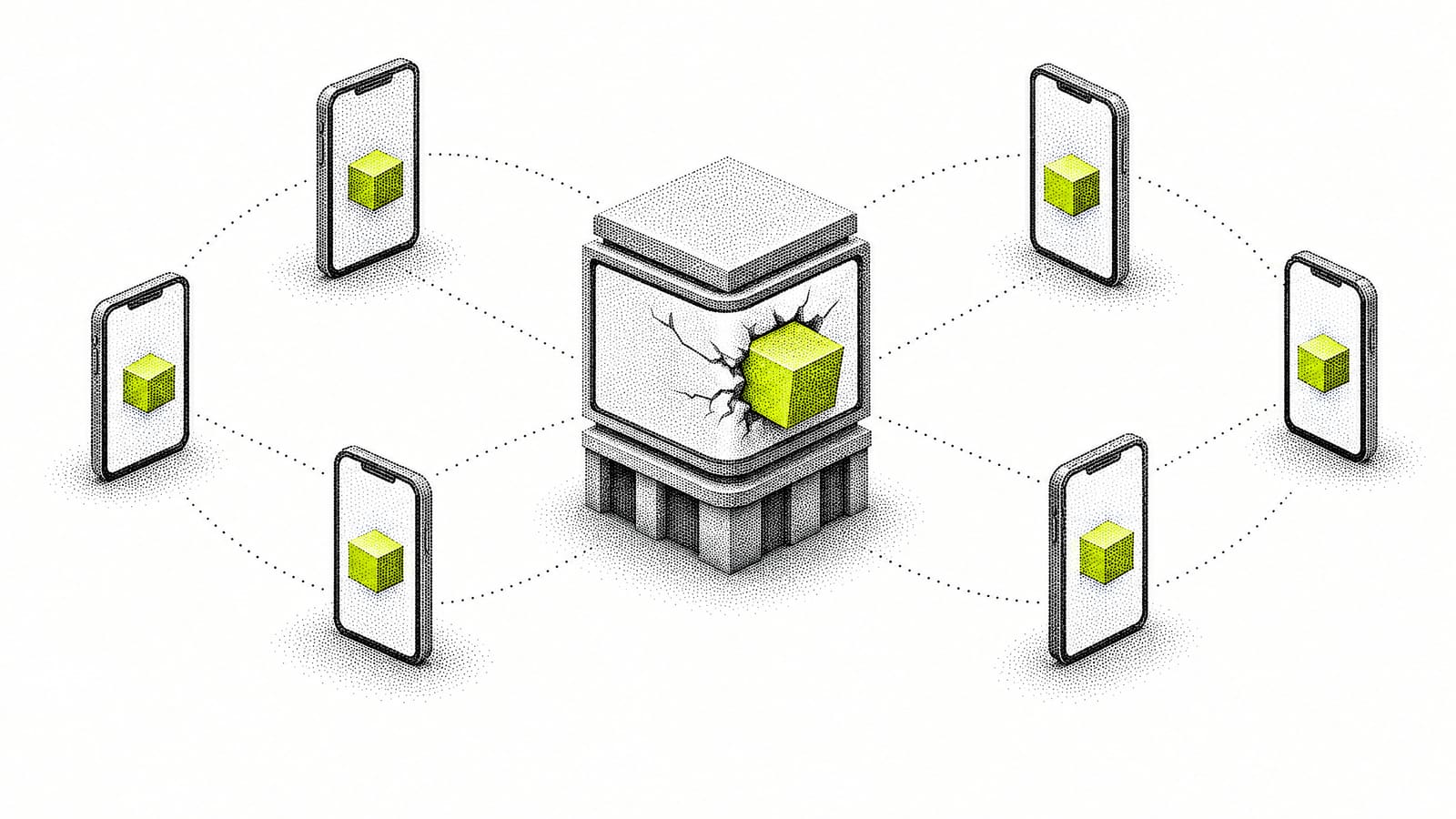
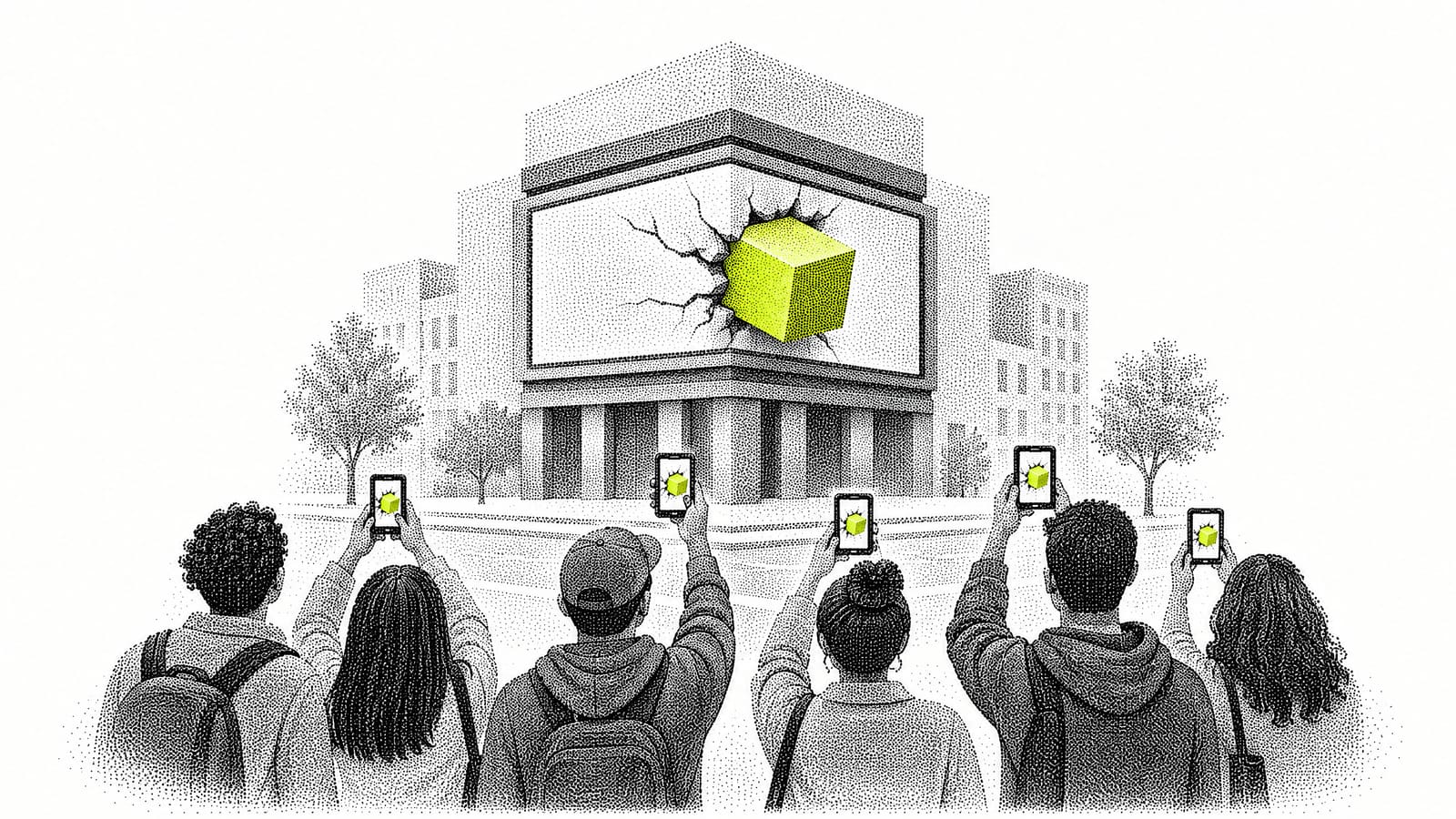
A viral 3D billboard is one that people film. From the right spot in the street, the anamorphic illusion looks impossible, so passers-by take out their phones, record it and post it. Each clip reaches people who were never there. The screen turns into a source of content, and the media buy starts working far beyond the street.
The habit is measurable. In a 2022 Harris Poll survey for the OAAA, the US out-of-home trade body, 82% of TikTok users said they frequently notice out-of-home ads in their feed, and 48% of social media users said they visit the advertiser’s website after seeing one there (Billboard Insider).
The best-known case is not even an ad. In July 2021, a giant 3D cat appeared on the curved Cross Shinjuku Vision screen above Shinjuku station in Tokyo. Created by Cross Space, it drew crowds on the street below, and within days its own Twitter account passed 17,000 followers (CBS News). It was still in test broadcasts before its official 12 July premiere. People filmed it anyway. That is the mechanism every brand campaign tries to reproduce.
The three lives of a 3D billboard campaign
1. The screen
The paid part. The anamorphic 3D billboard runs on the screens of the media plan, for the dates you booked, and reaches the people who pass. When the booking ends, this life ends.
2. People filming it
The earned part. Passers-by record the screen and post it, from the first day. These 3D billboard reaction videos are the most credible content the campaign will get, because the brand did not post them. You cannot control them, but you can make them more likely (see below).
3. The brand cut and the FOOH version
The owned part, in two films. The brand cut is the brand’s own film of the screen, shot properly on launch day from the right spot. It gives the reaction videos something official to point to.
The FOOH version places the same 3D scene into real footage of a street or landmark, cut for the feed. It reaches cities where you bought no media and keeps running after the screen goes dark. It is produced from the same 3D assets as the billboard, which is the most efficient way to get both. New to the term? Read what FOOH is.
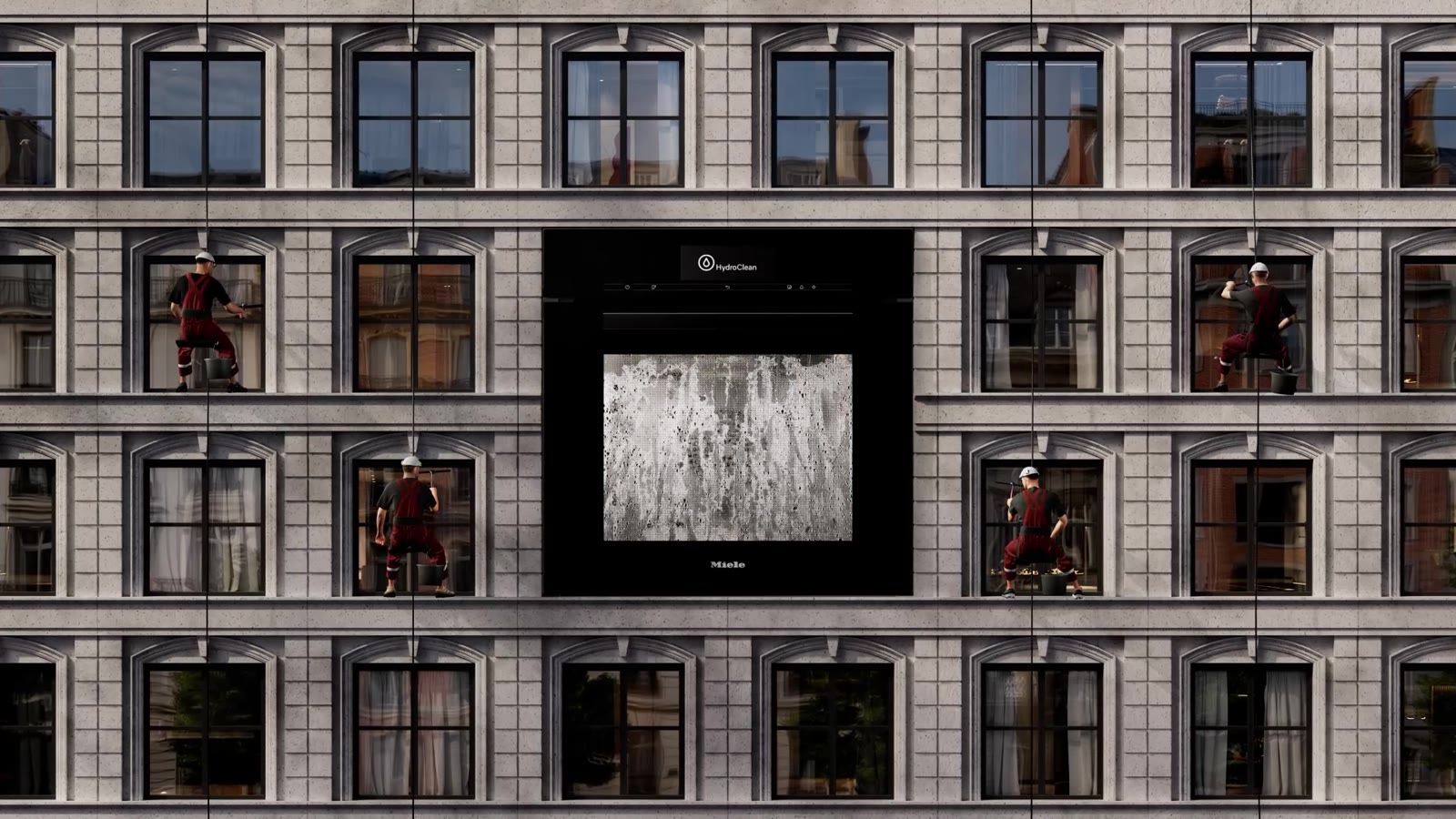
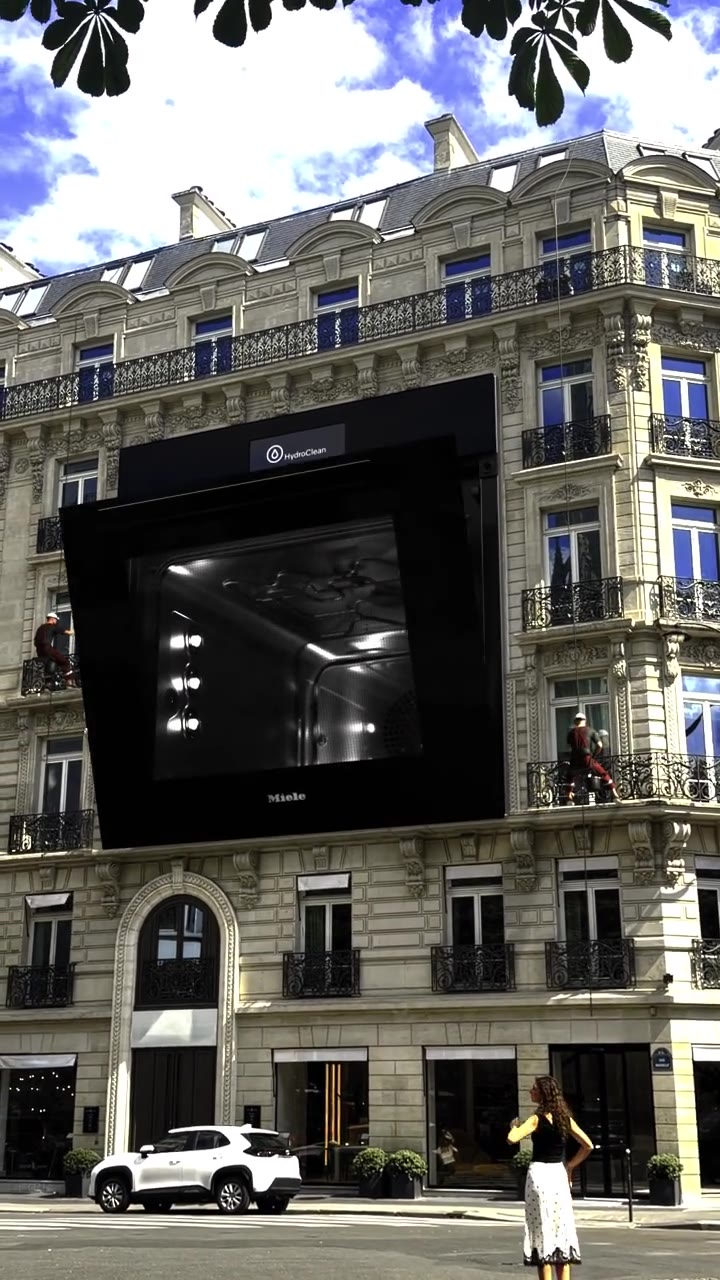
For Miele HydroClean, one CGI idea ran on 81 screens in 76 cities across four countries. The social version placed the same building in a real Paris street, in five languages and three formats, to carry the campaign beyond the screens.
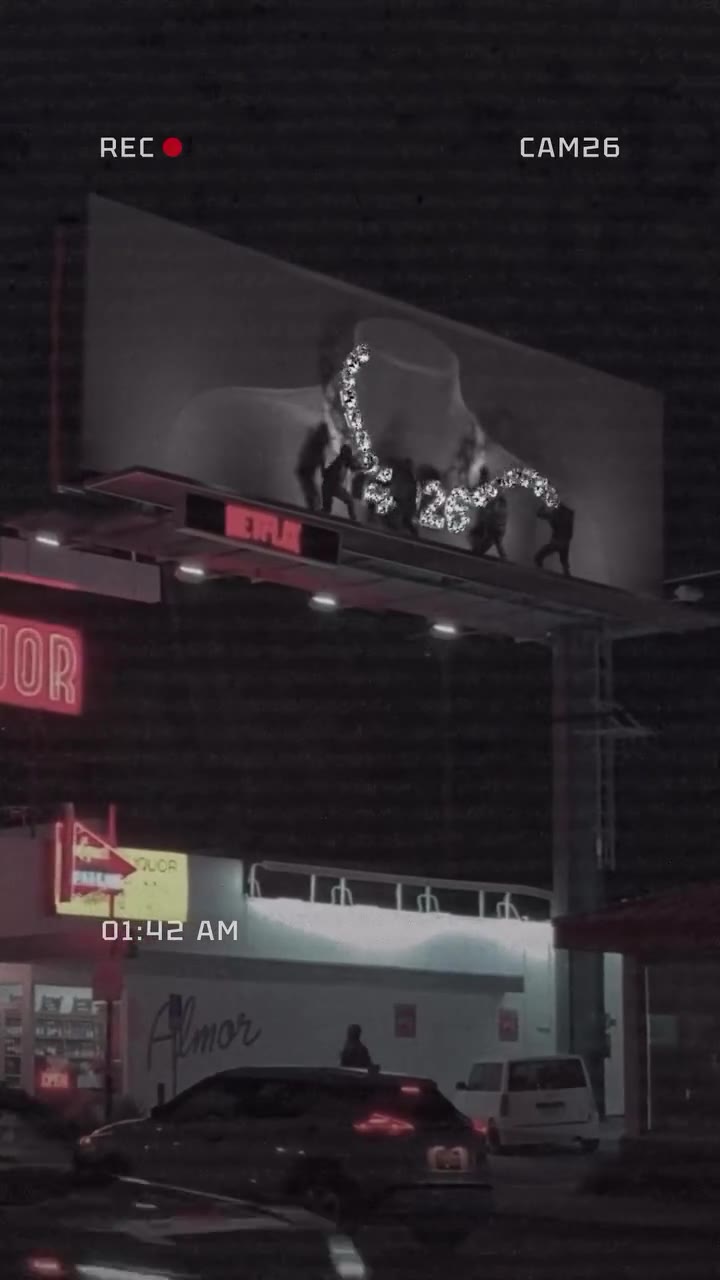
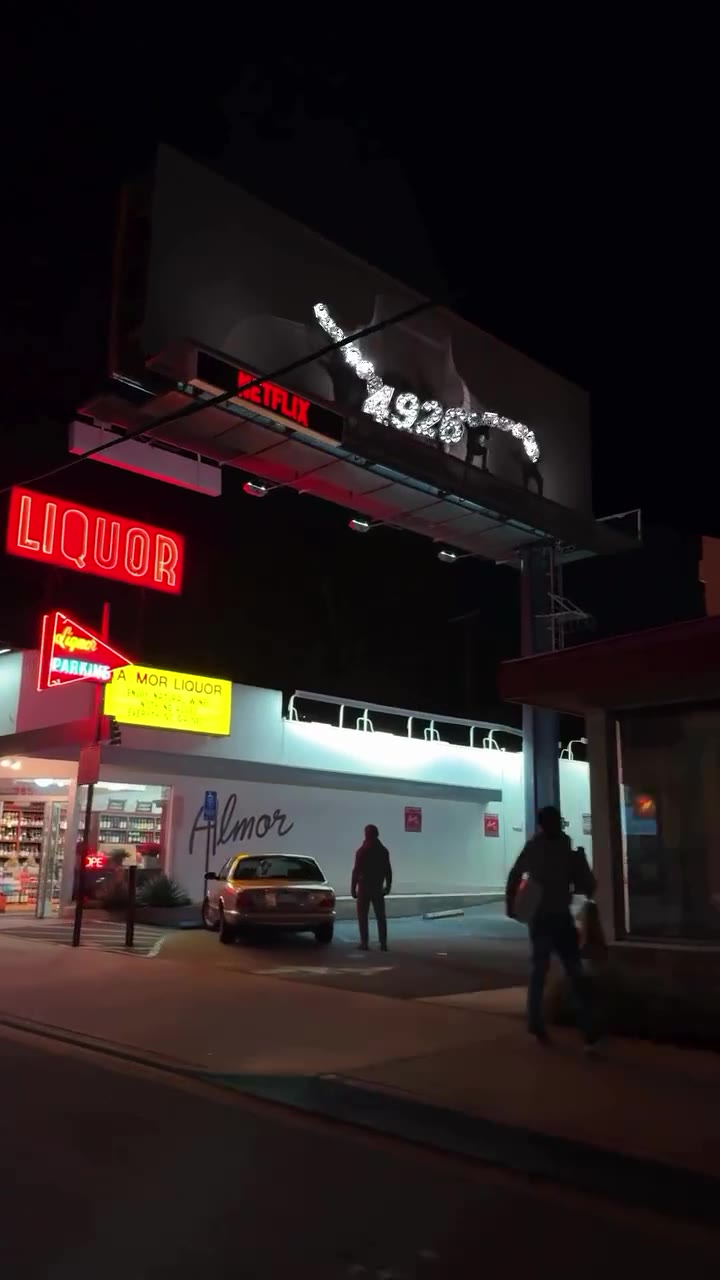
It works the other way round too. For Netflix’s Big Mistakes, a classic billboard went up on Sunset Boulevard, and that same night a FOOH film showed a thief stealing its necklace. A second angle followed. The Big Mistakes case shows how one placement became a week of content.
What makes a 3D billboard get filmed
- A viewpoint where people stand still. The anamorphic illusion works best from one spot. Pick screens whose sweet spot is where people already wait: a crossing, a mall atrium, the foot of an escalator. If the best view is from a moving car, nobody films it. Our guide to corner, flat and curved screens explains which shapes give the strongest effect.
- A moment with a clear edge. The product breaks out of the frame at a precise beat. People need to know when to press record, and the payoff has to land in the few seconds they hold the phone up.
- A short loop. Your spot shares the screen with other advertisers, so people arrive mid-loop. For Miele we chose three 10-second exposures over one 30-second film: more chances to catch the moment.
- It reads without sound. Many street screens play silent. On Miele’s French plan, only one screen had sound. The clips people post carry street noise, not your soundtrack, so the story has to work as an image.
- The brand in every frame. Miele’s logo stayed on screen from the first frame, not only on the end card. A clip filmed at any second still carries the brand.
- A product doing something. A building that cleans itself is a story in ten seconds. A product that just floats is a screensaver.
How to plan a viral 3D billboard
Nobody can make a billboard go viral on command. You can stack the odds.
- Decide the cuts at the storyboard. The brand cut and the FOOH version use the same scene, the same product model and the same timing. Decided after the render, they mean rebuilding.
- Shoot the brand cut on day one. From the sweet spot, stabilized, at dusk or at night when the screen is brighter than the street, with real people in frame. Vertical and horizontal.
- Post on launch day. The brand cut goes up when the screen goes live, with the exact location, so people know where to stand.
- Seed it. Invite local creators to film from the sweet spot. Send the press clean footage and the story behind it. Ask the media owner to share it.
- Time the FOOH version. Big Mistakes posted its first film the night the billboard went up. You can also hold it a few days to give the campaign a second wave.
- Label the CGI. The FOOH version says it is CGI. The real screen footage is your proof, and mixing the two up costs trust.
- Boost what already travels. Put paid support behind the clips that are working, with the creator’s permission.
Before any of this, get the basics from the media owner: the screen, the view people have, the schedule and the delivery specs. Our free screen brief checklist lists them.
How to measure earned media from a 3D billboard
Track four things and keep them apart:
- Earned media. Posts by people who are not the brand, found by hashtag, location tag and brand mention, with their views or impressions. Social listening tools catch most of it, never all of it.
- Owned media. Views and engagement on the brand cut and the FOOH films, organic and paid reported separately.
- Engagement. Likes, comments, shares, saves. Shares and saves say more than likes.
- Search lift. Branded search in the cities with screens, compared with the weeks before launch, in Google Trends or your own search data.
Then be honest with the numbers. Views are not people, and impressions are not views: say which one you report. Earned media figures are estimates, and every tool counts differently, so agree on the method before launch. Keep paid boosts out of earned media.
Here is what a clean breakdown looks like. The Yoshi eggs, a self-initiated FOOH concept we made for The Super Mario Galaxy Movie, had 5M views on the film itself, 15M earned media impressions as it was picked up across the internet, 500K engagements, and $0 in paid media. On commissioned work, the France TV film reached 25M+ earned media, and the Oysho padel series 6M+ earned media and 550K+ engagements across its three films. Across all our campaigns, the total is 3B+ earned and owned media, a figure that dates mostly from our FOOH years.
The honest limit
Not every 3D billboard goes viral, and nobody can promise it. Some screens sit in the wrong spot, some loops run too long, some weeks the news is elsewhere. What you can plan is the number of chances: a screen people want to film, a brand cut on day one, and a FOOH version that travels without the screen.
FAQ
What is a 3D billboard video?
It can mean three things: the clips people film of the screen, the brand’s own film of it, or the FOOH version that puts the 3D scene in other streets. Only the first two show the real screen.
How much does a 3D billboard cost?
There is no fixed price. It depends on the resizing, the number of screens and formats, and the scene. The projects we are built for usually land around €40,000. More in what a 3D billboard costs.
How long does it take to make a 3D billboard?
3 to 4 weeks from the approved brief to delivery, two rounds of changes included. Plan the brand cut and the FOOH version inside that window, not after it.
What is earned media?
Coverage you did not pay for and did not post yourself: people’s videos, press articles, creators sharing the campaign.
Is the FOOH version of a billboard misleading?
Not if you say it is CGI. People share it for the surprise and the craft. The problem only starts when a brand claims a fake placement really happened.
Have a screen in your plan?
Tell us the screen, the city and the dates on our contact page. We tell you which of the three lives it can carry, and what the social side would take. Not ready yet? Ask for a free concept for your screen.