


How to choose a 3D billboard agency: 8 questions to ask before you sign
Every studio shows a reel of screens breaking. Eight questions that show who can deliver a 3D billboard to your screen and your dates, the red flags, and what a good proposal contains.
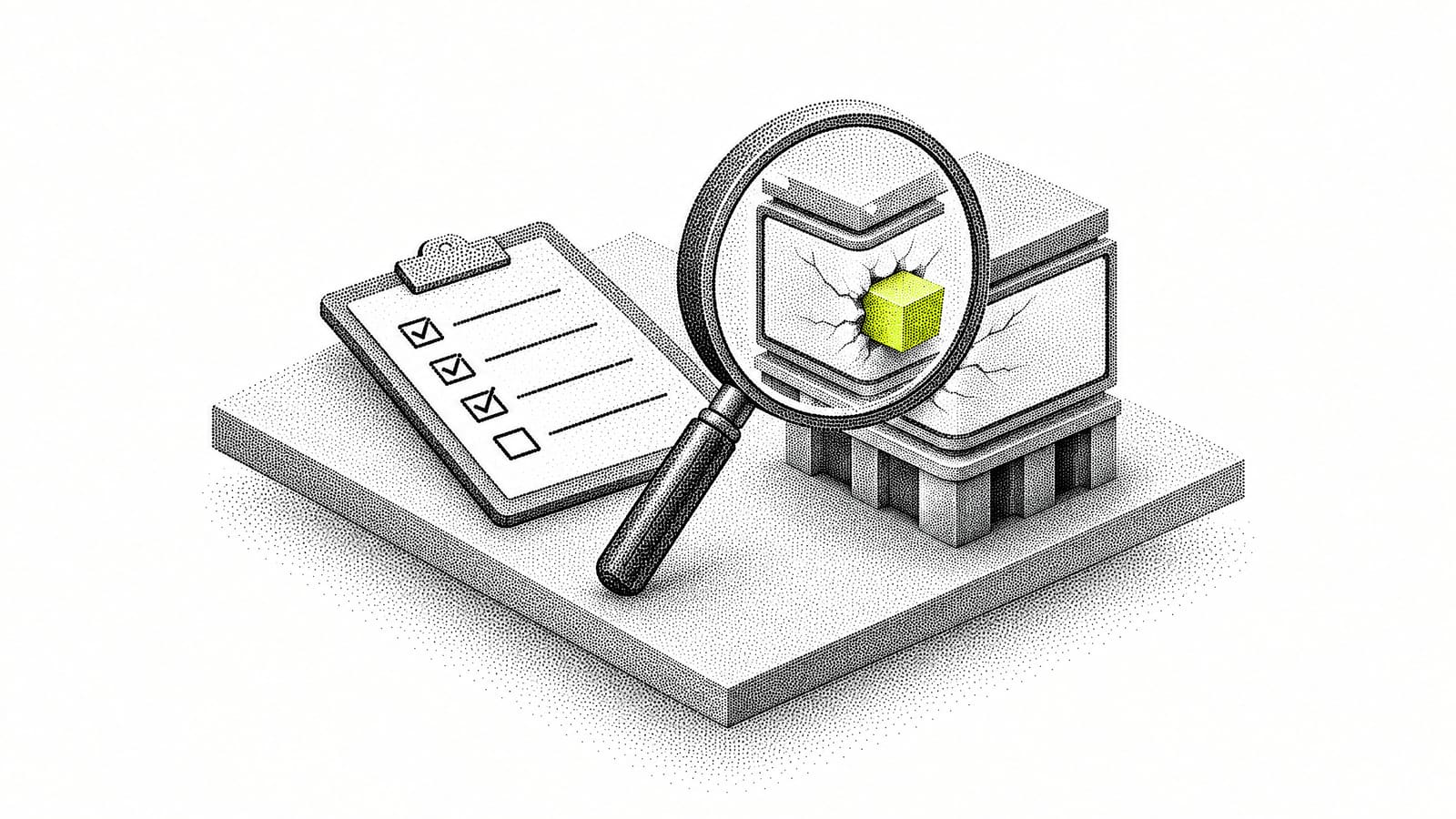
How to choose a 3D billboard agency
Choose a 3D billboard agency on what it has delivered, not on its reel. Ask which screens and media owners it has worked with, what it needs from you, how long it takes, what the price includes, and whether it will show a concept for your screen before you sign. Specific answers are good. Vague ones are a warning.
Who sells “3D billboards”: four kinds of companies
Search for a 3D billboard company and you will find four kinds of businesses using the same words. They do different jobs, and most campaigns need two or three of them.
| Type | What they do | What they usually do not do |
|---|---|---|
| Media owners | Own or run the screens, sell the airtime, check the files before they play | Build your 3D film |
| Media agencies | Plan and buy screens across media owners, negotiate rates, run the flight | Build the 3D |
| LED manufacturers | Make, install and maintain the screens | Sell airtime or make content |
| 3D and CGI studios | Build the idea, the 3D film, the versions and the files for each screen | Own screens |
Media owners such as JCDecaux, Clear Channel, Ströer or Ocean Outdoor own the screens and set the rules: file format, slot length, what may move. JCDecaux UK, for example, says in its FAQ that it cannot run motion copy on roadside formats. Some are active in 3D: Marketing Brew reported in 2023 that Clear Channel Outdoor had worked on 3D billboards for Netflix, Balenciaga and Paramount.
Media agencies are what you find when you search for a DOOH agency, a DOOH advertising or marketing agency, or a digital out of home agency. They plan and buy the screens, and they know the rates and the audiences. Most do not build 3D. On Miele’s HydroClean launch, the media was bought through Publicis and we built the creative: the usual split.
LED manufacturers such as Samsung or Daktronics make the hardware. You only need them if you are building a screen, not to run a campaign on one.
3D and CGI studios build the content. That is the 3D billboard production company, anamorphic billboard agency or CGI billboard agency of your search, and it is what we do. Some studios, KOSMO® included, can also handle the media buy, so you deal with one team.
FOOH agencies come from the same 3D craft, but a FOOH film is made for social, while a 3D billboard has to play on a real screen, to a media owner’s specs. Ask which of the two a studio has actually delivered.
The 8 questions to ask before you sign
1. Which screens and media owners have you delivered to?
Not which cities: which screens. Every media owner has its own layout, file rules and approval process. Ask for one recent campaign, the screens it ran on and how the files were approved. A studio that has delivered to the networks in your plan knows what will be flagged before it sends anything.
2. What do you need from me to start?
The right answer is a list: the screen layout, its real size, a photo from where people see it, the media owner’s specs and the product files. A studio that starts from the idea instead of the screen risks an idea that does not fit the screen. Our list is public: the screen brief checklist.
3. Does it work on flat screens, or only on corner screens?
Corner screens give the strongest illusion, but most screens brands book are flat: facades, malls, stations. A studio that only does corners leaves most of your plan unused. Ask how one idea is adapted to both, and read our guide to corner and flat screens.
4. How long does it take, counted from when?
Ask for the number of weeks from the approved brief, and how many rounds of changes are included. Ours: 3 to 4 weeks, with two rounds of changes, and the week-by-week timeline shows what happens when. A network across several countries promised in a few days is a warning. So is “it depends” with no date at all.
5. What does the price include, and what costs extra?
The quote should name the concept, the 3D production, the versions per screen and language, the rounds of changes and the delivery in each media owner’s format. Then ask what costs extra: another round, a new language, a social cut. Our 3D billboard cost guide shows how we build a quote.
6. Who actually builds the 3D?
Ask who models, animates and renders, and whether any of it is subcontracted. Ask how AI is used. Our answer: AI helps a little with ideas and early visuals, and the final 3D is built by our team. Ask to meet the person who will run your project.
7. What happens after the screen goes live?
A 3D billboard earns its money when people film it and share it. Ask who cuts the social version, whether a FOOH film can come from the same 3D assets, and how the studio plans the campaign’s life on social. We started with FOOH, so this part is built into how we work.
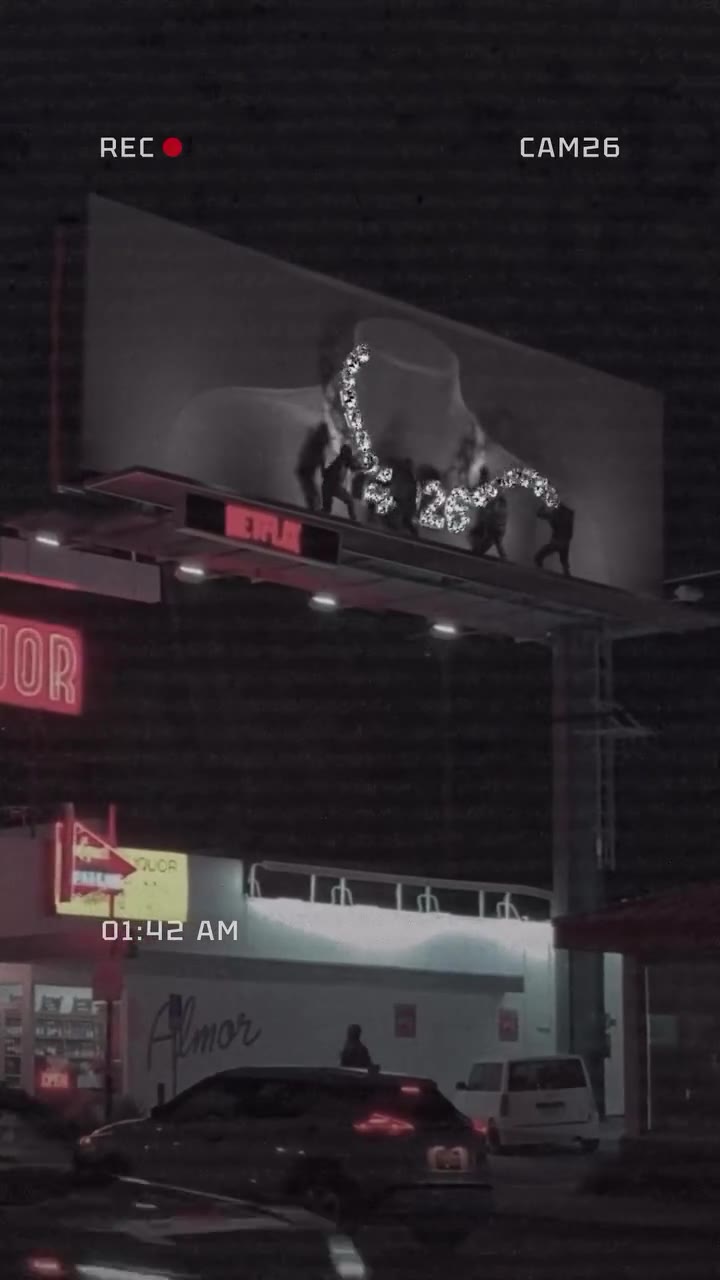
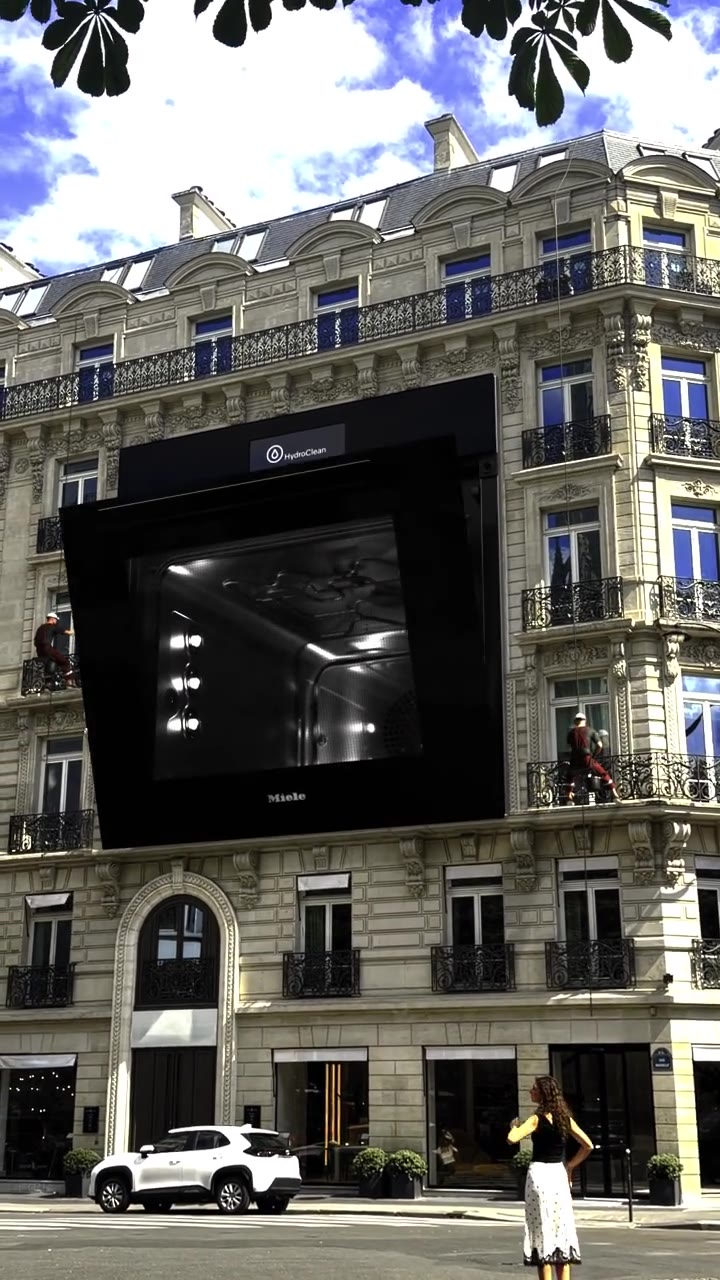
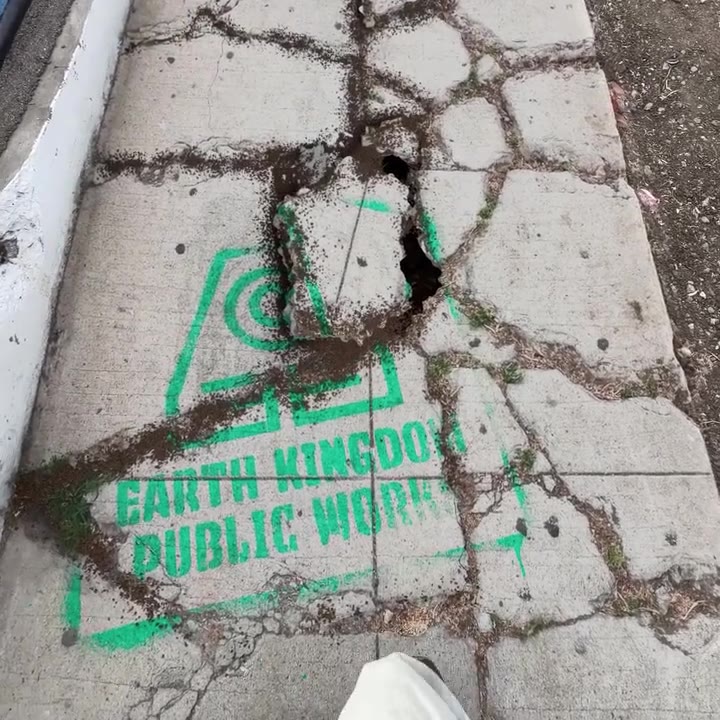
8. Can you show me a concept for my screen before I sign?
This is the fastest filter. A studio confident in its process will show you an idea on your real screen before any contract. We do it as a free concept.
Red flags
- A reel with no client names. A reel is easy to fill with tests that never ran. Ask for the client, the screen and the dates.
- Concepts shown as commissioned work. Self-initiated pieces are fine, and we make them too: our Yoshi egg film was one. They should be labeled as such.
- A fixed price before anyone has seen your screen. The screens, formats and languages drive the cost, so a price without them is a guess.
- No questions about the media owner. The specs decide whether your film plays at all.
- Corner screens only. Most of your plan is probably flat.
- Guaranteed views. Nobody controls what people film and share.
- Nobody who can answer a technical question. If the account manager cannot say how the file will be delivered, the timeline will suffer.
What a good proposal contains
- The screens, with their specs confirmed with the media owner.
- The idea, shown on your screen from where people stand: a still or an animatic, not a moodboard.
- The deliverables: lengths, versions, languages, formats and social cuts.
- The timeline from the approved brief, with the rounds of changes and who approves them.
- The price, split into the first asset, the adaptations and the options.
- The media, if the studio buys it: screens, dates, share of loop and cost, with you in control of the budget.
- What is not included.
If one of these is missing, ask for it before you compare prices. Two proposals only compare when they cover the same screens and the same deliverables.
Does a 3D billboard agency need to be near you?
If you searched for a 3D billboard near me, here is the short answer: the studio does not need to be in your city. The inputs are files (the layout, the specs, a photo from the viewpoint, the product files) and the outputs are files delivered to the media owner. What matters is knowing the media owner’s rules, not the street.
We are an international, remote team. Miele’s launch ran on 81 screens in four countries from one CGI idea, and our campaigns have run in 14 countries. The only step that needs people on site is filming the live screen for social, and that is planned with the campaign.
Why brands work with KOSMO®
- Volume: 150+ campaigns in 14 countries, and 750+ screens adapted.
- Brands: Netflix, Miele, Uber Eats, Zalando and Lego, among others. See the work.
- Scale from one idea: for Miele HydroClean, 81 screens in 76 cities, 4 countries, 5 languages and 300+ versions. Read the Miele HydroClean case study.
- Media: we can handle the buy. You keep control of the budget, and the screens are chosen to fit the idea. We have no exclusive media-owner partner.
- Time: 3 to 4 weeks from the approved brief, two rounds of changes included.
- Social: we started with FOOH films, and our work adds up to 3B+ earned and owned media, built mostly in those FOOH years.
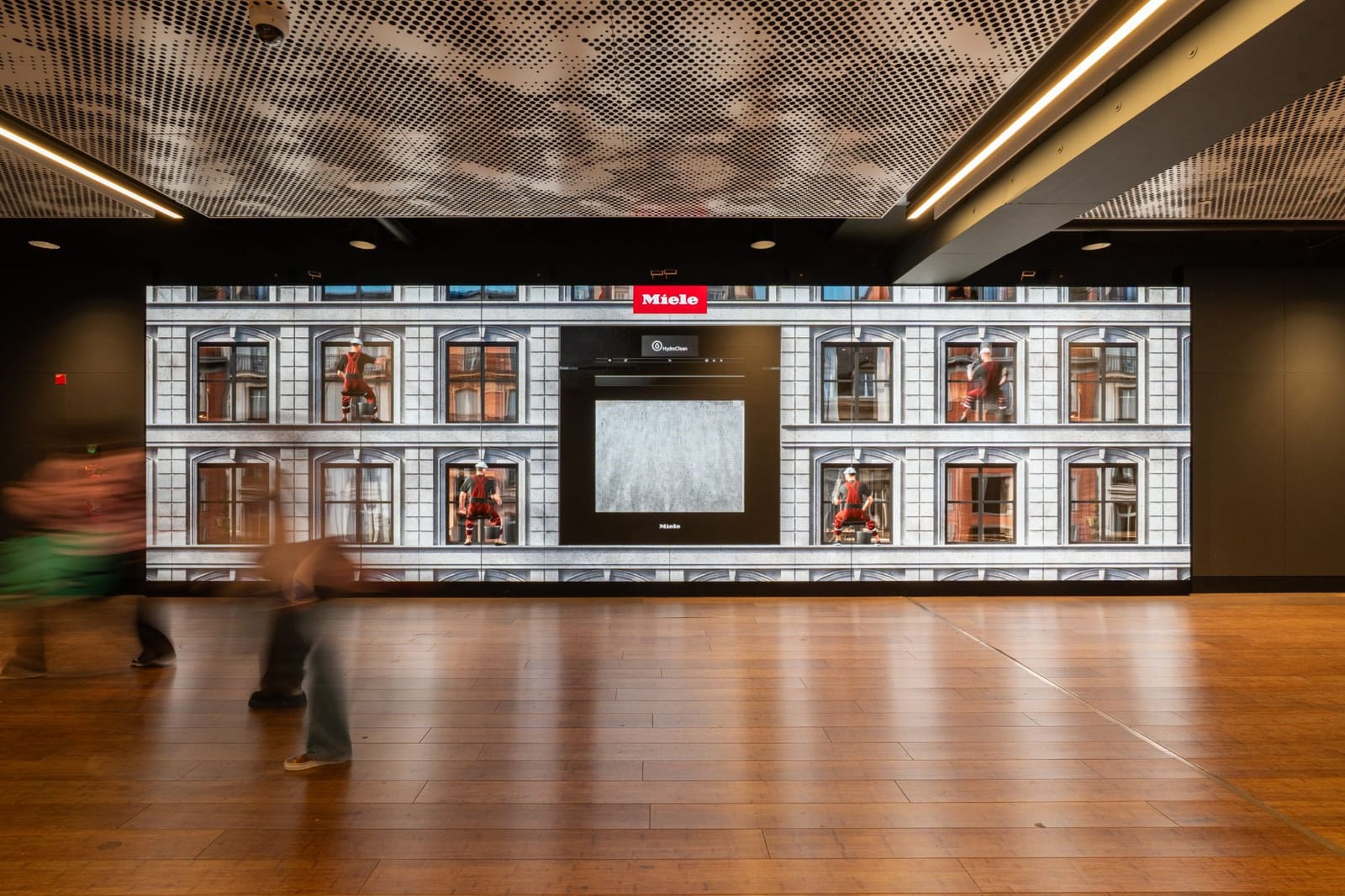
After the launch, Miele’s Head of Brand Marketing, Media & Comms for Western Europe, Nathalie Dubois, wrote to us: “Congratulations on a job exceptionally well done.”
FAQ
How much does a 3D billboard agency charge?
There is no fixed price per anamorphic asset: it depends on the screens, the formats, the resizing and the scene. The projects we are built for usually land around €40,000, and adapting one idea to more screens costs less per screen than the first.
Should the media agency or the 3D studio buy the screens?
Either works. If you have a media agency, the studio plugs into its plan, as we did with Publicis on Miele. If you do not, a studio that can buy media saves you a step and picks screens that fit the idea.
Can a FOOH agency make a 3D billboard?
The 3D craft is the same, the job is not. A FOOH film is composited into real footage for social; a 3D billboard plays on a real screen, to a media owner’s specs. We do both, and one 3D scene can feed both, as it did for Miele HydroClean.
What should I send to get a quote?
The screen or screens, the dates, the product and what the campaign has to do. If you have the media owner’s specs, add them. If not, the checklist tells you what to ask for.
Do you work with agencies as well as brands?
Yes. We work white label for creative agencies, media agencies and media owners: they stay client-facing and we build the 3D. The terms are on the partners page.
Choosing a studio for your screen?
Send us the screen, the dates and what the campaign has to do, and we come back with what fits and a quote built for your plan. Tell us about your campaign. Still comparing studios? Ask for a free concept for your screen and judge us on that.